Call +1 (647) 367-1424 WhatsApp Us Get a Free Estimate
Pest control in Cleveland, TN is our Tennessee market — the only one in our service area, and the largest city we serve after Dalton. Cleveland sits in Bradley County, about thirty-five miles north of Dalton via I-75, ZIP codes 37311, 37312, and 37323, anchored by Lee University, a real downtown, apartment stock, and fast-growing suburbs. Dalton Pest Pros provides pest control in Cleveland as part of our Dalton, Georgia service area — our Tennessee market, with the full lineup tuned for a university city: bed bugs and roaches cycling through student and apartment turnover, rodents in the commercial corridors, termites and ants in the suburbs, mosquitoes and wildlife near the greenways. One important note for Tennessee customers: Georgia's Official Wood Infestation Report — the "termite letter" — is a Georgia form. Tennessee transactions follow Tennessee's own inspection conventions, which we describe honestly below.
Where Is Cleveland, TN — and Do You Service It?
Cleveland sits in Bradley County in southeast Tennessee, roughly thirty-five miles north of Dalton via I-75, on the APD-40 corridor. The 37311, 37312, and 37323 ZIPs cover downtown, the Lee University area, the Stuart Road and Keith Street corridors, the APD-40 commercial strip, the suburban growth areas, and the rural Bradley County outskirts. Yes, we service Cleveland fully — it is a regular part of our coverage, and we plan the drive into our scheduling so farther appointments get the unhurried inspection they deserve. We also serve Rossville and Ringgold on the Georgia side of the corridor; see all areas we serve.
What Pests Are Most Common in Cleveland?
A university city's pest mix:
Bed bugs and roaches in rentals
Student turnover around Lee University and the apartment complexes means constant move-ins — and every move-in is a bed bug or German cockroach opportunity. These pests spread unit to unit and need inspection-confirmed identification before treatment. Our bed bug treatment and cockroach control start with confirming species and extent.
Rodents in commercial areas
The APD-40 and Keith Street commercial corridors concentrate food, moisture, and harborage. Our rodent control for commercial accounts pairs trapping and monitoring with exclusion.
Termites and ants in suburbs
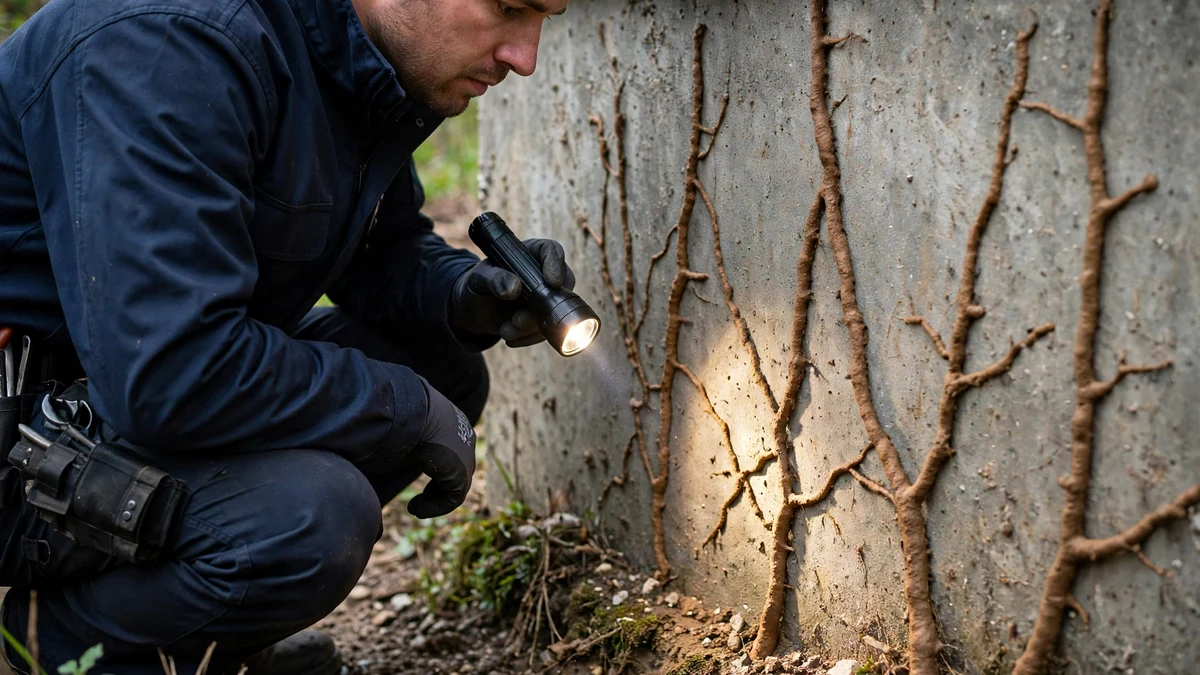
Cleveland's suburban subdivisions — Stuart Road corridor and the growth areas — carry subterranean termite risk like anywhere else in the region, plus fire ants in yards and carpenter ants in wooded lots. Our termite control and ant control cover both.
Mosquitoes and wildlife near greenways
Greenway corridors and the Ocoee River direction hold the water and woods that breed mosquitoes and harbor wildlife. Our mosquito control and wildlife removal handle the greenway-edge properties.
Why Do College Towns See More Bed Bug and Roach Pressure?
Turnover is the engine. Student housing around a university turns over every semester — new tenants, used furniture, shared laundry, adjoining units. Bed bugs hitchhike in mattresses and boxes; German cockroaches ride in with groceries and appliances. Once established, both spread through wall voids to neighboring units, which is why single-unit treatment so often fails: the source unit goes untreated and re-seeds the building. The fix is coordination — landlord, tenants, and the pest company working from the same inspection. We inspect adjoining units, confirm the extent before treating, and verify with follow-up. Property managers near Lee University: build turnover inspections into your lease cycle. Catching an introduction at move-in is the difference between treating one unit and treating a building.
Do Tennessee Home Buyers Need a Termite Letter?
Here is the honest answer: the "termite letter" — Georgia's Official Wood Infestation Report — is a Georgia form, and it does not apply to Tennessee transactions. Tennessee has its own conventions for wood-destroying-organism inspections in real-estate purchases, and lenders and contracts in Bradley County follow Tennessee practice, not Georgia's. What we offer Cleveland buyers is a thorough pre-purchase wood-destroying-organism inspection: we examine the structure for termites and other wood-destroying pests, document our findings in plain language, and give you a report you and your agent can actually use. We do not dress it up as a Georgia form — that would be misleading, and misleading paperwork helps no one at closing. If your lender or contract specifies a particular Tennessee inspection format, tell us when you schedule and we will make sure our documentation fits what they need.
What Pest Control Services Do You Offer in Cleveland?
The complete lineup for Tennessee customers:
- Bed bug treatment — inspection-confirmed elimination for rentals, student housing, and homes, with follow-up verification.
- Cockroach control — German roach programs for apartments and multi-unit buildings; American roaches in damp areas.
- Termite control — inspection, liquid barrier and bait options for suburban homes.
- Rodent control — trapping, removal, and exclusion for homes and commercial corridors.
- Mosquito control — breeding-source reduction and seasonal treatments for greenway-edge yards.
- Ant control — fire ants in yards, carpenter ants in wooded lots, household species indoors.
- Wildlife removal — humane removal plus exclusion for squirrels, raccoons, opossums, and snakes.
Note: our termite inspection page describes Georgia's inspection product — Cleveland buyers should read the Tennessee section above for how purchase inspections work here.
Which Cleveland Areas Do You Serve?
Downtown Cleveland, the Lee University area and student-rental neighborhoods, the Stuart Road corridor, the Keith Street area, the APD-40 commercial corridor, the suburban growth areas, and the rural Bradley County outskirts. We serve homes, apartments, student housing, and businesses. Call +1 (647) 367-1424 if your property is between Cleveland and the Georgia line.
When Should Cleveland Property Owners Schedule Service?
Spring (March–June) is termite swarm season — inspect suburban homes now. Summer peaks mosquitoes and flies. Fall drives rodents indoors and brings the semester-turnover bed bug wave near campus. Winter shifts to indoor rodent work. For student rentals, the calendar that matters most is the academic one — schedule inspections at every turnover, August and January especially.
August is Cleveland's turnover crunch — student move-in around Lee University, apartment leases flipping, and every box a potential bed bug delivery. Property managers: inspect units between tenants in August, not after complaints in September. For homeowners, August is peak mosquito and fly season — the yard program's mid-season check keeps it ahead of the worst weeks.
How Should Student Housing Handle Bed Bugs?
Student housing concentrates every bed bug risk factor: high turnover, used furniture, shared laundry rooms, and adjoining units. The protocol that works: inspect at every turnover, before the new tenant's boxes come in — mattress seams, box springs, headboards, couch seams. Educate tenants at lease signing: check used furniture before bringing it in, report bites or spots immediately instead of waiting, don't drag infested furniture to the curb where it spreads to the next building. When bed bugs are confirmed, inspect adjoining units — above, below, and beside — because they travel through wall voids, and treating one unit while the neighbor re-seeds it fails. Our bed bug treatment for student rentals starts with that confirmed identification and extent mapping, then treats to the actual scope with follow-up verification. Property managers near Lee University: the per-turnover inspection is the most cost-effective bed bug money you'll ever spend.
What Do Cleveland's Commercial Corridors Need?
The APD-40 and Keith Street corridors run on food, retail, and services — and on the rodents and German cockroaches that follow them. Commercial pest control here is a monitoring discipline, not an event: scheduled visits, bait stations and traps checked and documented, sanitation-adjacent treatment that works with the business's cleaning routine. Shared walls and shared dumpster areas mean one business's gap becomes the corridor's problem, so the plan accounts for the neighbors, not just the storefront. Scheduling stays discreet — early morning or off-hours, no disruption to customers. Our rodent control and cockroach control pages describe the methods; for Cleveland businesses, we package them as an ongoing commercial program with the documentation — service reports, findings, corrective notes — that food-service and retail operations need on file.
What Should Newcomers to Cleveland Know About Local Pests?
Moving to Cleveland from outside the region? Three local notes. First, subterranean termites are active here — the same southeastern termite belt as Georgia — so a termite inspection is worth scheduling even if your last state didn't worry about them. Second, the mosquito season runs long; yards near greenways and low areas need a plan, not just repellent. Third, the purchase paperwork differs from Georgia: Tennessee doesn't use Georgia's Official Wood Infestation Report, so if your agent mentions a "termite letter," ask which form your Tennessee transaction actually requires — our termite inspection page covers the Georgia product, and the Tennessee section above explains the local side. Welcome to Bradley County; the pests are manageable, and now you know the local rules.
How Do I Get Started?
Call +1 (647) 367-1424, message us on WhatsApp, or use the contact form. Tell us the property type — house, apartment, student rental, or business — and what you are seeing. We schedule the inspection, document our findings, and give you a written plan. Tennessee customers get the same straight answers as Georgia ones — including when the answer is "that's a Georgia form, and here's what Tennessee actually uses." Need pest control in Dalton? Start at our homepage.
Nearby Areas We Also Serve
Based in Dalton, we run the same inspection-first pest control across the surrounding towns - including Varnell, Ringgold, Chatsworth. If your town is not listed, contact us and we will confirm coverage for your address.